Get A Free Case Evaluation

We handle both personal injury and criminal defense. Please fill out the form below for your free consultation or call us at 347-620-2865.

Blog

All Personal Injury Criminal Law Blog Civil Rights Law Employment & Labor Law Financial Law Construction Accidents Guides Head Trauma Serious injuries Slip and fall Wrongful Death
What Is the Punishment for Defamation of Character?

What Is the Punishment for Defamation of Character?

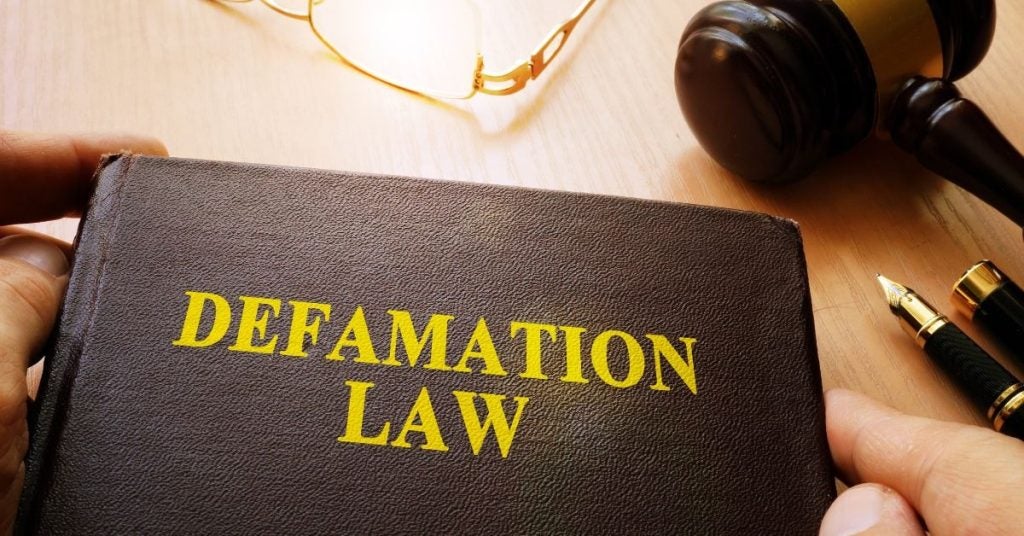
What Is the Punishment for Defamation of Character? Understanding Fines, Jail, and Legal Consequences Punishment for defamation of character can involve serious legal consequences, in regard to fines, imprisonment, and other legal penalties. It is very important for a plaintiff and a defendant to understand the probable consequences for defamation. Understanding Defamation of Character Defamation of character represents making false statements against another person in a manner that may hurt the character of that particular person. It may be categorized into two: Libel: The written defamation, even a newspaper article, online blogs, and internet social posts. Slander: The defamation spoken, an example of this is verbal accusations and statements made in public. The elements of defamation are that there must be a false statement made out of malice, and that must cause measurable damages to the plaintiff’s reputation. A plaintiff in any defamation case has to show that the defendant acted with either reckless disregard for the truth or with negligence. Legal Penalties for Defamation: Libel vs. Slander Defamation is of two types, each with different legal consequences: Libel: Any published defamation, which comes in written statements that are false in nature, published on newspapers, on blogs, and on social media posts. Slander: Verbal defamation; speaking falsely of another person in a public place or during some forms of broadcast. Both are considered serious forms of defamation, but since libel is permanent, it is usually more destructive. The punishments for libel and slander may come in monetary damages, cease and desist orders, or other related legal actions. The legal consequences for defamation of character vary in the light of case type, jurisdiction, and damage caused. In civil courts, defamation cases will give civil penalties that may include criminal compensation in damages. Criminal cases involve fines or imprisonment per the law. Normally, defamation is treated in a civil court of law, and the punishment is usually financial rather than criminal. Here are a few possibilities. 1. Monetary Damages The usual legal sentence given to defamation is monetary damages. If the case is ruled in favor of the plaintiff, monetary compensation can be granted to account for the damage done to one’s reputation on behalf of the defendant. Examples include: Compensatory Damages: Here, compensation is granted to the plaintiff for actual damages such as emotional distress resulting in loss of income and damage to reputation. Punitive Damages: These are kinds of damages that allow for awards in cases where the action by the defendant might have proved malicious or gross. It is done by the court as a means of condemning the action, hence serving as deterrence. 2. Cease and Desist Orders Apart from damages, the courts can order in the nature of cease and desist, which consists of stopping the defendant from making further false statements. It’s precautionary, so as to save the plaintiff from further damages. 3. Public Retraction or Apology Public retraction or apology may, on some occasions, be ordered by the court to the defendant. It would be to somehow redeem the reputation of the plaintiff and restore what was damaged because of the defamatory words uttered or published. Civil vs. Criminal Defamation Penalties The penalties for civil vs. criminal defamation are very different. More often, defamation is treated as a civil offense; it allows the plaintiff to sue for damages against their reputation. These damages include monetary compensatory damages in civil cases that pay the victim of a defamation lawsuit a damage. Criminal penalties can involve, among others, fines or imprisonment, though in few instances. While civil matters deal with providing compensation for character defamation, criminal cases at times target punishing the offender and serving as a deterrent from future defamation. Criminal defamation is not acknowledged under all laws. In some jurisdictions, one can even be charged with a criminal offense for defamation of character. This is more rare and usually applied when the material result of the defamatory statements is extremely injurious or printed with malicious intent. Possible criminal sanctions against defamation include fines or, more rarely, imprisonment. Punishment for criminal defamation of character will vary based upon local laws and severity of offense. Keep in mind that not all states or countries have a criminal defamation law on the books, and it is more common to see defamation handled in civil courts. Factors That Influence the Punishment for Defamation The degree of punishment vary according to: Nature of the False Statement: Statements that are especially injurious or that involve allegations of crime or immoral conduct are punished more harshly. Malice of the defendant: If it can be shown that the defendant acted in a malicious manner or in reckless disregard for the truth, the punishment may be much greater. Harm Caused to the Plaintiff: Injury to Plaintiff’s Reputation, Means of Support, and Emotional Well-being: Another factor in punishment is the extent of harm to plaintiff’s reputation, means of support, and emotional well-being. It needs not be said that this depends on the amount of hurt and damage suffered; the more extensive the injury, the more extensive the damages may be. Public vs. Private Figures: In these cases of defamation, public figures – celebrities or politicians – would have to show a higher degree of proof than that required by private individuals. Here, the public figure would have to prove actual malice, which has been defined as knowing the statements are false or acting in reckless disregard for the truth, whereas a private individual would need only to show negligence. This means that proof of damages would not be required since it is assumed to occur when there is defamation of a public figure. What to Do If You’ve Been Defamed If you or someone you know has been a victim of defamation, then it is just that you understand all of your rights and take immediate action: Document the Defamation: Screenshot, record, or otherwise get written evidence of anything that could be considered defamatory. Consult a Lawyer: You will be requiring a defamation lawyer in deciphering the legal mechanism and advice on how to file the case of defamation in the court of law. The lawyer will help you determine if you have a good case in your hands based on merit, as well as how much damages you should seek considering your hurt. Consider a Cease and Desist Letter: Many times, a letter of cease and desist will suffice to cease further defamation and settle the matter outside of litigation. Filing of a Lawsuit: If the defamatory statements have caused significant harm, filing a lawsuit may be the best course of action to seek damages and hold the responsible party accountable. If you’d like to learn about similar legal topics take a look at our article on Understanding Knife Laws in New York. If you think that you have been defamed, then document all the defamatory statements and gather as much evidence as possible. Consult a highly experienced lawyer who deals in defamation cases. A legal expert will be able to assist you in filing a suit, determining due compensation, and above all, protecting your rights. Common defenses to defamation include: Truth: In case the statement made was actually true, then it shall not be termed as defamation. Truth always serves as an absolute defense in the case of defamation. Opinion: Statements phrased as clearly an opinion, rather than a fact, are generally immune from defamation actions. The Courts realize that an opinion cannot be shown to be true or false. Privilege: A person sometimes is privileged by protection, for example, those statements made during a court proceeding or in a government report. These are protected under qualified privilege or absolute privilege depending on the situation. Compensation for Defamation Lawsuits Compensation for damage to one’s character is, hence, an important feature in defamation cases. One could receive compensatory damages in regard to reputation, emotional distress, and economic losses on the basis of the defamatory remarks made. The following punitive damages may, therefore, be awarded in addition so that outrageous malice or gross negligence on the part of the defendant would ensure that such instances do not occur again. Most defamation cases include damages to the plaintiff to compensate for the harm caused. Damages may include compensatory ones for emotional distress, loss of income, and damage to reputation, as well as punitive ones where the behavior of the defendant was unusually injurious. Can You Go to Jail for Defamation of Character? Can you go to jail for defamation of character? Because in most jurisdictions, defamation is handled under civil law, this generally means monetary punishments rather than imprisonment. In those states which allow criminal defamation, people are found guilty under criminal penalties of defamation and might face penalties such as fines or even a sentence, particularly if the defamation was carried out with malice and substantial harm. Q: What Kind of Damages Can Be Claimed in a Defamation Lawsuit? Victims, in a defamation lawsuit, may be entitled to compensatory damages due to a number of reasons such as emotional distress, loss of income, and damage to reputation. Punitive damages may also be imposed where the defendant acted with malice with intent to punish the wrongdoer or even deter defamation in the future. Q: What Evidence Is Needed to Prove Defamation? To prove defamation, a plaintiff has first got to prove that the statements were false, made with actual malice or negligence, and caused actual harm. If the plaintiff is a public figure, they must show actual malice-knowing the statement was false or acting in reckless disregard for the truth. Q: Is Defamation Considered a Criminal Offense? Defamation is usually considered a civil offense. In some jurisdictions, however, defamation can be judged to be committed in such a way as to make it a criminal offense, and thus punishable under criminal law, with fines or even imprisonment. Less common is what constitutes criminal defamation, but this charge usually relates to instances that pose great harm or malice. To learn about other related legal topics, visit our page on Understanding Knife Laws in New York. Conclusion Punishment for defamation of character, therefore, varies from monetary damages to a cease and desist order, sometimes accompanied by public retraction or an apology. In those cases where defamation of character is taken to the extreme, it amounts to a criminal charge, though such charges are very few. The punishment, consequently, will depend on the nature of the false statement, the intent of the defendant, and harm caused to plaintiff. Basically, defamation cases can be pretty complex, and one ought to know his or her rights and responsibilities should he or she be a plaintiff or a defendant. Whether you feel you have been defamed or you have been accused of defamation, you do need to consult a lawyer who has had experience in handling defamation cases to take you through the process and ensure that your interests are duly protected. To find out more about different kinds of claims and remedies legally, see our piece Can You Sue a Hospital for Negligence?

How Much Does a Lawyer Take in a Settlement? Legal Fees Explained

How Much Does a Lawyer Take in a Settlement? Legal Fees Explained

Whether you were injured in an accident recently or are working your way through a claim about your personal injury, one question could be, “How much does an attorney take from a settlement?” Knowing how fees and payment structures related to personal injury cases work could be the cornerstone to fair compensation, while being fully informed about how much of your settlement is going toward your lawyer’s fees. The following article will cover in detail all that one needs to know about lawyers’ fees in a settlement, common methods of payments, and what one can expect from a personal injury lawyer. Understanding Lawyer Fees in a Settlement Contingency fee arrangements are customary for attorneys handling personal injury settlements. This simply means that attorneys are paid only if a settlement is obtained or the case is won in court. The contingency fee is a percentage of the amount received in settlement, for which you are not liable to pay any out-of-pocket expenses in advance. If your attorney does not win your case, then he does not get paid. In fact, the usual percentage of contingency fee ranges between 33% and 40% of the total amount of settlement. This, however, may depend on the complexity of the case, expertise of the lawyer, and jurisdiction in which the case is tried.With some lawyers, it is cheaper if the case settles out of court, while with others, it will be more expensive because it went into trial due to the time and resources that were spent. Breakdown of Lawyer Contingency Fees How does a contingency fee work? Let’s make it a bit more concrete: suppose that you receive a $100,000 settlement of the claim on account of the car accident. Your attorney receives 33% of the settlement as his or her fee-$33,000-leaving you with $67,000 if he or she has agreed to accept a 33% contingency fee. Other additional charges might include fees for filing court charges, expert witness fees, and other administrative or court charges that pertain to the case. These costs are usually subtracted from your settlement after your lawyer takes their contingency fee. This is important to bring up with your attorney in advance so you are not shocked at the end when your settlement is reached. Factors Affecting Lawyer Fees in a Settlement The percentage a lawyer takes in a settlement can be influenced by several factors, including: Complexity of the Case: The more complex a case, with imminent extensive investigation, expert witnesses possibly, and taking more time, the higher the contingency percentage may be. Resolution Stage: In this case, the settlement out of court that is evidenced within the shortest time will fall on the low scale for contingency fees, while those cases that involve litigation can see the lawyer raise his fee, considering the amount of time and resources used to prepare for trial. Jurisdiction: Some states have specific laws and regulations regarding contingency fees, and it may be that a contingency fee through an attorney is capped. Understand the state-specific rules that may apply to your case. Lawyer’s Experience: More experienced lawyers, who have already made themselves more successful in the court of law, would charge higher percentages of the claim due to the expertise they bring into the case. Paying more money out for a lawyer who has already proved their success rate in similar cases is often worth it. Average Fee Structures for Personal Injury Lawyers Most personal injury lawyers are contingency-based; however, other fee arrangements may apply in certain circumstances: Flat Fee: An attorney might use a flat fee for a specific service. A good example would be the preparation of a settlement demand letter. It is less common in the field of personal injury. Hourly Rate: This is similar to, but sometimes instead of using a contingency fee, a personal injury lawyer will work on an hourly rate with you. That basically means the attorney is going to bill you successfully for all hours worked on your case. This agreement is used usually if the case is improbable to settle, or if the verdict may not be returned in the favor of the defendant. Retainer Fee: It is the fee that is paid directly to the attorney in advance to secure his or her services.This type of fee is never used in personal injury cases. In other types of legal issues, this may apply. What to Expect When You Are Working with a Personal Injury Lawyer When you are retaining the services of a personal injury attorney, you will need to know how much it will cost you when you win your case. You will want to ask, during the initial consultation, questions in regard to fee structure, who pays for case-related expenses, and what the settlement percentage is the attorney takes from it. A good attorney will provide a written fee agreement that shows what the per cent is for contingency, any more costs that may be applied along with how those costs are to be taken out of the settlement. This would help in guaranteeing complete transparency regarding what one is agreeing to and avoiding misunderstandings later on in the process. Common FAQs About Lawyer Fees in a Settlement Q: What Percentage Does a Lawyer Take in a Settlement? The general percentage that any attorney takes in a settlement is usually within the range of 33% to 40% of the total amount. Obviously, that amount should depend on the case complexity, the experience of the lawyer, and whether it will be taken to trial or not. Q: Are There Any Other Extra Costs Besides the Contingency Fee? Yes, there can be other costs to your matter. These may include court filing fees, expert witness fees, medical record retrieval costs, and couriers/administrative charges. These are normally deducted from the settlement amount after first deducting the lawyer’s contingency fee. Q: Do I Have to Pay My Lawyer If I Lose My Case? If your attorney takes the matter on contingency, you will not be responsible for his or her attorney fees in the case of a loss. You could be obligated to pay certain out-of-pocket expenses that arise in the case itself, depending on your agreement with your attorney. Q: Can I Negotiate the Contingency Fee With My Lawyer? Sometimes, you might be in a position to negotiate the contingency fee with your attorney. It is best discussed in an initial consultation what the fee structure is and if, based on the specifics, flexibility could be considered. The Importance of Transparency in Legal Fees You elicit transparency, per se, when you hire a lawyer for your case in personal injury. Understand the fee agreement before signing on. A good attorney takes the time to explain his fees to you, including what the percentage of contingency is and with any extra costs subtracted from your settlement. Being aware of the legal fees can be stress-reducing or help one avoid any surprises when it is time to get the settlement for those affected by an accident. If there is anything that you are not sure about concerning your lawyer’s fee, make sure you ask questions and get your bearing. For instance, if you have other legal issues or uncertainties regarding certain matters such as property damage, you might refer to our guide relating to Do I Need Home Property Damage Lawyers? Conclusion It’s terribly important to know how much the lawyer deducts when a settlement is reached. Most personal injury lawyers take on cases on a contingency fee basis, whereby they receive payment only when they win. While the contingencies most lie in the range from 33% to 40%, each additional cost should be clearly conveyed. Be forthcoming with your attorney regarding how much it costs to retain their services. This way, you get a written fee agreement from them. This will make it easier to avoid surprises and give you peace of mind while going through this legal process. Please do not hesitate to contact us today for a consultation regarding your legal fees or in developing a personal injury case. Our mission is to educate you about your rights and to pursue the compensation that you deserve. For further information on how to handle personal injury cases or to understand more about your rights, check out our article on here entitled Common Personal Injury Questions in New York State.

What Does “Dismissed Without Prejudice” Mean?

What Does “Dismissed Without Prejudice” Mean?

Dismissed Without Prejudice,  what does that mean precisely? In other words, a case dismissed without prejudice simply means that it has been closed but not permanently. The plaintiff is allowed to make amends, gather more evidence, or can simply re-file the case at a later date. That is in comparison to a case that has been “dismissed with prejudice,” in which the case is permanently closed and cannot be filed again. Mastery of the subtlety of such terms makes all the difference for the plaintiff, the defendant, and any party to the suit. Understanding “Dismissed Without Prejudice” A case dismissed without prejudice simply means that the court has declined to take any further action on the case. A decision for dismissal is usually based on non-merit reasons of the case, such as incomplete documentation or improper filing. In this kind of dismissal, it allows the plaintiff to make amendments or prepare the necessary evidence to re-file the case at a later time. The most significant advantage of a dismissal without prejudice is that it leaves room for flexibility. The plaintiff would not be barred from refiling the same cause of action, provided he addresses the issues that led to such dismissal. This will be very helpful if new evidence comes out, or in case some of the procedural mistakes could be fixed. Legal consequences of dismissal without prejudice are a fresh start that could be crucial in winning the case in court. Key Differences Between “With Prejudice” and “Without Prejudice” Dismissals The difference between a case being dismissed with prejudice or without prejudice has often blurred the minds of many. Let us explain what exactly each of these terms will entail in defining the future of the case. Dismissed With Prejudice: It is a type of dismissal in which the case is permanently closed. The plaintiff will not be allowed to file the same claim in the court again. If the court feels that there is no merit in the claim, or the plaintiff has been found to disobey the rules of the court a number of times, it may issue a dismissal with prejudice. In essence, this is a judgment, and the plaintiff cannot refurnish the case. Dismissed Without Prejudice: A dismissal without prejudice allows the reopening or refiling of the case. The plaintiff may make procedural corrections, gather additional evidence, or amend the complaint where appropriate and come back into court. A dismissal without prejudice does not address the merits of the case itself; it provides notice that the matter, as presented, cannot be advanced. Understanding such differences is important for litigants. Dismissal without prejudice versus with prejudice does not decide upon the guilt or liability of the defendant but, in most cases, addresses procedural issues that may allow plaintiffs to reconsider and, if so desired, to try again. Legal Consequences of Dismissal Without Prejudice The legal implications of dismissed without prejudice on their part depend on the case in particular. Some main reception points follow hereafter: Opportunity to Refile: The cardinal effect this has is that the plaintiff still has an avenue for refiling the case.It will also help, especially when some errors have occurred due to procedural mistakes such as wrong paperwork or incomplete documentation. Correcting these may offer a better chance of success in the refiling of such a case. Statute of Limitations: While the case could be dismissed without prejudice, this does not remove the relevance of the statute of limitations. The latter is the legally accepted time frame within which a lawsuit should have been originally filed. If the statute of limitations runs out following or even before refiling, by the plaintiff the right to prosecute the claim may forever be lost. Correctable Issues: Correctable Issues Refiling without prejudice would therefore normally presuppose that the issue or cause for dismissal was correctable, whether by the presentation of more evidence, curing the defects in procedure, or through an amended complaint whenever the plaintiff can show he has an avenue to make such corrections and thus, re-file the case. If your case relates to employment issues, you may find our guide on Common Labor Law Questions In New York State helpful for understanding your rights. When Can a Case Be Refiled After Dismissal? The most common question arising after a case has been dismissed without prejudice defaces whether refiling is possible and upon what circumstances. These are situations where a case could be refiled: Procedural Issues Are Corrected: If a dismissal was based exclusively on a procedural issue, such as defective service of process, the plaintiff cures the defect and then refiles the action. New Evidence Is Available: An action can be dismissed because a case does not have sufficient evidence to determine the validity of the claims involved. In fact, in most cases, when there is new evidence that populates and thus helps a plaintiff’s case, they may want to refile the action. No statute of limitations that has expired: The plaintiff also needs to make sure that their case does not lie outside of the statute of limitations. Even in instances where dismissals are without prejudice, one cannot take the claim to court when that statute of limitations runs out. Commonly Asked Questions About Dismissal Without Prejudice Q: Can I Refile My Case After It Was Dismissed Without Prejudice? You may refile your case if it was dismissed without prejudice, provided you deal with the problems that resulted in your case being dismissed. You do, however, need to be aware of the statute of limitations, which sets a time limit on filing your claim. Once the time period has run out, you may no longer be able to pursue the case. Q: Does “Without Prejudice” Mean I Lost My Case? No, the dismissal without prejudice does not mean that one has lost the case. On the contrary, it means your case cannot proceed in its form but you are allowed to make amendments and refile. It is not an ‘on the merits’ judgment. Q: How Often Can a Case Be Dismissed Without Prejudice? There is no real hard number as to how many times a case can be dismissed without prejudice. However, if conditions continue to arise and the plaintiff consistently does not alleviate them, then the court may eventually dismiss with prejudice to prevent further attempts at refiling. Q: In a Court of Law, What is the Meaning of a case being dismissed without prejudice? The dismissed without prejudice in court will mean that the judge has resolved to temporarily close a case in order to provide an opportunity to the plaintiff to make up deficiencies or file on a later date. If you are considering taking further action after a dismissal, understanding related areas of law can be helpful. For example, learn more about Do I Need Home Property Damage Lawyers? if your case involves property disputes or damages. Conclusion Whether one stands as a plaintiff or a defendant, it is very important to understand what ‘dismissed without prejudice’ may imply in litigation. Such a kind of dismissal allows one to make amended mistakes, gather new evidence, or simply retry. However, the statute of limitations, even more critically case-specific case elements that are required to satisfy a successful refiling, goes hand in hand. Should your case be dismissed without prejudice and you wish to refile, the options include, but actually are a must, consultations with a legal professional who can advice on the proceedings, assist in making the amendments and ensuring that your case is presented correctly, so the best possibility may be given a second time around.

What Qualifies as Verbal Harassment?

What Qualifies as Verbal Harassment?

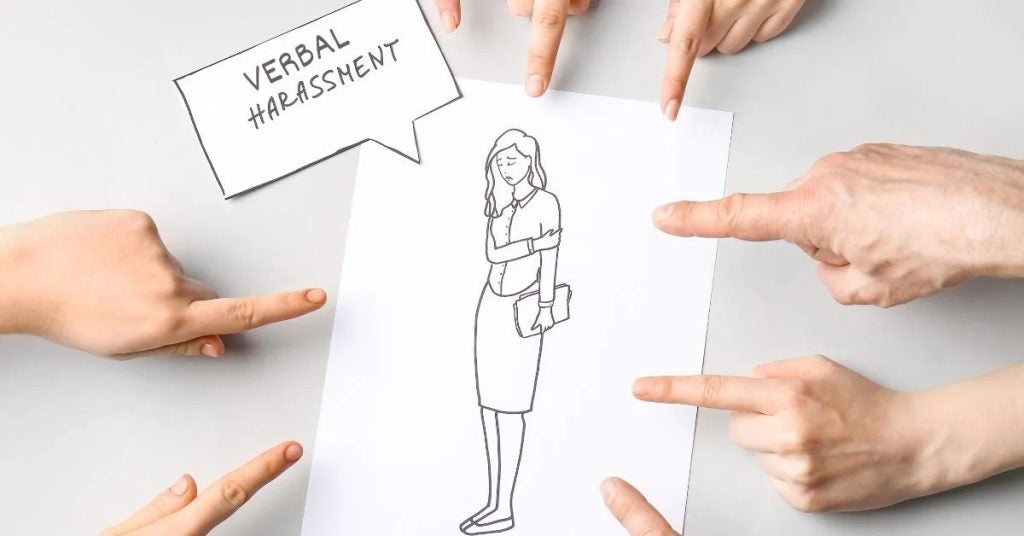
Among the many forms of misbehaviors in workplaces, verbal harassment creates severe psychological and emotional impacts on victims. It will outline in detail what constitutes verbal harassment, give a few examples of when it actually happened in real life, and advise how to go about addressing the situation if it hits your workplace. Definition of Verbal Harassment Verbal harassment includes words which insult, degrade, or threaten the other individual. The types may be many-insults, demeaning remarks, intimidations, constant criticism; all these often intended to cause a hostile atmosphere in work. It is actually emotional harassment because it affects one’s mental status, self-esteem, and well-being. At the workplace, anybody can be a cause of verbal harassment: a supervisor, coworker, or even a client. It is harassment if the behavior is sufficiently severe or pervasive that it affects the victim’s ability to do the job or creates an intimidating, hostile, or offensive working environment. Verbal harassment also comes within the prohibition of workplace harassment laws if it is because of race, gender, age, religion, or disability. Examples of Verbal Harassment Since it is usually subjective, it may be tough to single out what constitutes verbal harassment in the workplace, because it normally depends on the context and the impact of the behavior. A few common examples of verbal harassment that may indicate if one is being harassed or not are: Yelling or Screaming: Verbal harassment can be constituted if one raises their voice frequently, in an aggressive manner, towards another. It is meant to intimidate one and make the person feel uncomfortably threatened. Insults and Name-Calling: Using names that degrade, comments, or insults based on the appearance, work performance of a particular person, or personal attributes of the individual, all fall square within the ambit of verbal harassment. Derogatory Remarks or Jokes: Poking fun at or making inappropriate comments about a victim’s race, gender, and religion are all some of the categories included within verbal harassment. Again, these types of comments are used to degradation or otherwise humiliate a particular target. Threats: Verbal harassment also includes any verbal threats of harm, losing a job, or other negative consequences. Threats are the prime components that contribute to a hostile work atmosphere and may have an adverse effect on the mental condition of the victim. Constant Criticism: While continuous criticism towards a particular employee, without any buyers in the shape of suggestions or constructive motivation, may be bracketed as verbal harassment if it has been emanating with an intention of taking away morale and self-confidence from a person. These examples show how verbal harassment can range from overtly aggressive behavior to more subtle, yet equally damaging, forms of abuse. The ability to understand these examples will help you to better identify those instances where verbal harassment is taking place. Signs and Effects of Verbal Harassment Identifying the signs of verbal harassment at work may better help one know an appropriate course of action to take. Here are some common signs which may be observed: Increased Anxiety or Stress: If you feel that the anxiety level or stress level at work has shot up considerably, then this could also be a sure shot sign of verbal harassment. Most instances of verbal abuses are meted out in an environment of fear and tension that inhibits one from concentrating on their work. Loss of Productivity at Workplace: Verbal harassment does lead to a decrease in output, motivation, and performance level at work. It will also make a difference in concentrating on something and completing the work at hand. Emotional Distress:Most experiences of verbal harassment are usually accompanied by emotional distress; feelings of sadness, anger, or frustration are often present. This continued abuse can deteriorate mental well-being and include signs and symptoms associated with states of depression. Avoiding: When the harassment is taking a toll on the individual, it manifests in instances where one avoids talking or even being around some people in the workplace for fear of being verbally harassed. The extent of the mental health impact caused due to verbal abuse may go as far as to develop anxiety or depression, and even physical manifestations, such as headaches or fatigue. Legal Aspects of Verbal Harassment While the legal definition of verbal harassment may differ from one jurisdiction to another, it contemplates almost any type of verbal conduct that creates an environment which is offensive or hostile. Harassment of a verbal nature, by nature based on these various workplace laws, including Title VII of the Civil Rights Act, is prohibited and protects workers from discrimination based on protected characteristics. That is because it must be severe or pervasive enough to create an intimidating, hostile, or abusive work environment for a reasonable person to continue working.It also must impede the victim’s ability to effectively do her job. Let this be a reminder that one or two minor comments or isolated incidents will not suffice for cases of harassment to be considered repeated and heavier actions are what the courts call upon when considering them qualifying. Knowing one’s rights in any case, let alone one of verbal harassment, is important. Finding legal help for that in the workplace is crucial. Expert employment dispute legal help will guide on what steps are necessary not only to show whether your situation falls within criteria that make it a legally claimed case. “To understand more about your rights regarding harassment, check out our article on Civil Rights In New York State.” What to Do If You Experience Verbal Harassment If you feel that you are being verbally harassed at work, there are ways to protect yourself and take action against the behavior. 1. Document the Harassment Document every incident of your verbal harassment. Date and time of the incident, location, who was/were involved, and a summary of what was said may be used as evidence if one files a complaint through HR or through legal means. 2. Report the Harassment to HR If you feel safe doing so, file your complaint of verbal harassment with your HR department. HR needs to be involved in addressing the workplace harassment complaint. Get them to take some steps to at least investigate the matter and take the situation into their hands. Share all the documented evidence you have that can prove your claims. 3. Consult with labor law attorney It is an option to see a labor law attorney in cases where the HR does nothing or if the verbal harassment continues. Find your attorney who is experienced enough to explain to you all of your legal rights and help determine how good a case you would have, should a formal complaint or lawsuit be filed. If the harassment involves racial discrimination, consider seeking specialized legal assistance. Learn more about Where Can I Find the Best Racial Discrimination Lawyers?. 4. Practice Self-Care for good mental health. Verbal harassment is extremely exhausting psychologically. Get professional help through a therapist or counsellor that will be able to assist you in working your way out and finding constructive ways of dealing with your feelings. This is an important investment that you need right now to ensure well-being. FAQs on Verbal Harassment Q: Can human resources take action regarding verbal harassment? Yes, verbal harassment needs to be reported to HR. Actually, that is the duty of HR: it has to ensure work safety and take action on complaints against harassment or discrimination. Just make sure you have documented evidence before reporting them to HR. Q: How is Verbal Harassment Different from Bullying? While both are forms of abusive behavior, verbal harassment is more defined legally, particularly when some sort of protected characteristics is brought into the equation, such as race or gender. Conversely, bullying may not rise to the threshold of legality to be defined as harassment but be good enough to create a hostile work environment. Q: How does Verbal Harassment Affect Mental Health? Verbal harassment is associated with variable psychological consequences including increased anxiety, depression, and emotional distress and sometimes physical manifestations such as headaches, lethargy, and sleep disturbance. Conclusion Knowing what constitutes verbal harassment is important in being able to identify and deal with this negative behavior at the workplace. Verbal harassment can be anything from insults or degrading comments to threats or constant criticism. These facets make it really influence one’s mental health and work performance. If you are getting something that makes you feel like you are suffering from verbal harassment, consider these steps you might take. Document incidents, report to the HR, seek a lawyer in case it will be needed. Everybody has a right to feel safe in his or her workplace; hence, it is relevant to take those acts in securing your rights. If you are badly disturbed or would like someone to go over options with you, find an Employment dispute legal help professional who can guide you step by step on how to handle any type of verbal harassment and advise you about your rights.

How to File a Lawsuit Against My Employer

How to File a Lawsuit Against My Employer

If you have been subjected to workplace atrocity, discrimination, or unlawful termination of service, the probable question in your mind is, “How do I file a lawsuit against my employer?” Filing a lawsuit against your employer is something very serious, requiring careful consideration, thorough preparation, and being well-informed about your rights as an employee. This guide will take you through all these steps, right from evidence collection to the formal filing of the lawsuit, in an effort to help you receive the justice you deserve. Reasons to Sue Your Employer There are valid reasons to sue an employer: the most common claims filed involve discrimination, harassment, wrongful termination, unpaid wages, retaliation, or an uncomfortable and unsafe work environment. It’s necessary to know your cause of action; this then determines the kind of claim you are filing and what evidence will be needed to prove support for your case. Herein are some common reasons for suing an employer: Discrimination:You can file a complaint alleging discrimination under many legally protected classes, including, but not limited to: race, sex, age, religion, and disability. Harassment: Workplace harassment is a serious offense and legally actionable if your employer took no action to stop the problem. You know, sexual or otherwise. Wrongful Termination: You can sue for wrongful termination if you feel you have been discharged for an unlawful reason, based on blowing the whistle or in an act of discrimination. “If you’ve experienced unlawful termination, learn more about Where Can I Find Wrongful Termination Lawyers with a Free Consultation Near Me?. “ Unpaid Wages: Employers must pay employees for all hours worked, including any overtime. If your employer doesn’t compensate you fairly, then you may have a wage claim. Retaliation: ERetaliation now prohibits an employer from retaliating against an employee for exercising any of their rights such as reporting violations and/or filing a workers’ compensation claim. Understanding why you want to sue your employer is the first step in knowing how to proceed with it. The following sections give you steps you are going to take in filing a suit. How to Sue Your Employer: A Step-by-Step Guide Filing a lawsuit against your employer involves several steps, and each should be well followed to ensure the best possible outcome. Below is a detailed guide on how to file a lawsuit against your employer. 1. Collect Evidence of Misconduct Before you actually file a lawsuit, collect your evidence of the wrongdoing. In other words, any documentation, e-mails, witness statements, pay stubs, or other records that show proof of your claim. For example, if you are suing for wages owed, collect timesheets, pay stubs, and any written communication with the employer about your pay. For complaints of discrimination or harassment, document these incidents by noting dates, times, locations, and individuals involved. Evidence is the basis of winning a case and proving that your claims are solid. 2. Speak to HR or Attempt Alternative Dispute Resolution In most cases, it will be advisable to consult the Human Resources department before one takes a legal stand. Most companies can handle workplace disputes by having set procedures, and HR might navigate this issue for them outside the courts. Other options may involve going through HR, while further disputes can be resolved through Alternative Dispute Resolution methods such as mediation and arbitration, which can sometimes resolve an issue without filing a lawsuit and thus saving both time and money. 3. Contact an attorney experienced in labor law If the issue at hand cannot be resolved within the doors of your own company, which is usually the case, it’s about time to get an attorney who specializes in labor laws for employee lawsuit assistance. The seasoned employment lawyer shall not only explain but describe your right as an employee and further is going to assess your case on the aspect of strength and guide you through the paper crunching legal process. Your attorney can then advise you on what kind of lawsuit to file and whether or not you have enough evidence to file. A qualified lawyer will also communicate with your employer and see that your rights are upheld at every stage of the proceedings. “If you have general questions about labor law, take a look at our article on Common Labor Law Questions In New York State. “ 4. Filing a Complaint with the Appropriate Agency With claims involving certain types of allegations-such as discrimination or harassment-you may be required to file with a governmental agency, like the Equal Employment Opportunity Commission, before filing a lawsuit. The agency may investigate your claim and attempt to conciliate a resolution. Filing a charge with the EEOC is often a necessary first step because you cannot file a lawsuit unless you have first filed a charge with the EEOC. Your employment lawyer can help you through the process of filing the charge and the subsequent agency investigation. 5. File the Lawsuit Formally This would be where your attorney can actually help you file the lawsuit in court, where all steps have been followed-formally with the EEOC, if necessary. In the lawsuit, detail your claims of evidence compiled and your compensatory request. The litigation process, after filing, would entail a number of steps, including discovery, which involves the sharing of available information between both parties, and probably a trial if an out-of-court agreement cannot be reached. Your attorney is supposed to represent you at all stages of the process to ensure your case is poignant. What to Expect When Filing a Lawsuit Filing a lawsuit against your employer is a time-consuming process; therefore, one needs to be prepared and informed about the various stages that the case may take. The following things must be kept in mind: Investigation: After filing your complaint, it would be investigated by either the EEOC or any other appropriate agency. The extent of this investigation varies and could take up to a number of months, depending on the complexity of the case. Discovery Phase: Following the complaint, both parties will move into the discovery phase, where they will then collect information, interview the various parties involved, and gather evidence for building their cases. Mediation/ Settlement Negotiations: Oftentimes, parties will try to reach an agreement regarding the dispute before trial. This settlement negotiations may happen at any level during the process since it saves you the time and costs involved in trial. Trial: If there is no settlement, the case will then go into trial; if this happens, a judge or jury presiding over your case can issue a verdict. Your attorney will represent you, present evidence, and argue your case in a court of law. Finding the Right Employment Lawyer Finding the proper employment lawyer can spell success for your case. Here are some tips on how to find a qualified attorney that could help you file a lawsuit against your employer. Internet Research: Find a lawyer who handles workplace lawsuit cases in your area. You could use these terms for your internet search: “labor law attorney for employee lawsuit” or “experienced employment lawyer near me”. Credentials and Experience: Let the attorney you choose have a great deal of experience representing clients in cases that are similar to yours. Find an attorney licensed to practice in your state, experienced in employment law, particularly one who has represented employees in workplace disputes. Scheduling Consultations: Most employment lawyers will offer free consultations. Of course, this is a time to discuss your case, ask questions, and get a sense about whether or not the attorney is a good fit. Encourage Client Reviews: The knowledge of an attorney’s style of communication, responsiveness, and their effectiveness can be understood through clients’ reviews and testimonials. Check third-party sites such as Google or Avvo for reviews. FAQs About Filing a Lawsuit Against Your Employer Q: Can I Sue My Employer Without a Lawyer? Though a lawsuit can be filed without representation, it is highly not advisable. Employment law is immensely complicated, and a competent attorney can guide you through the process, including the collection of evidence to construct your case. Q: How long after an incident do I have to sue my employer? The timeframe for filing a lawsuit against your employer varies depending on the type of claim and your state laws. For discrimination claims, you typically have 180 days to file a complaint with the EEOC, but this period may be extended in certain situations. Q: What Evidence Do I Need to File a Lawsuit? The type of evidence required would, of course, depend upon the type of claim. It would involve incidents documented in case of discrimination or harassment claims, statements from witnesses, and any correspondence with HR. A wage claim requires essential documents like timesheets and pay stubs. Conclusion Filing a lawsuit against your employer can be long and complicated; sometimes, it truly is the only way to protect your rights and find justice regarding workplace issues. By following the steps outlined in this guide, you can better understand how to take legal action against an employer and what to expect throughout the process. If you are considering taking legal action against your employer due to problems at work, it is important that evidence of the incident in question be presented, that a knowledgeable labor law attorney be spoken with, and proper procedures be followed. An experienced attorney can provide the type of legal aid that will allow you to confront the complexities of the law where employment is concerned and claim appropriate compensation to which you are entitled. Do you feel that you have been treated unfairly, and would like to learn more about your options? Contact an Employment Dispute Legal Help professional today. With the right legal guidance, one is already well on his or her way to protecting his or her rights and holding his or her employer accountable.

How to Hire the Best Workers’ Comp Attorney Near Me

How to Hire the Best Workers’ Comp Attorney Near Me

If you have been injured at work, you might be entitled to workers’ compensation benefits. Yet, the system of workers’ compensation is often challenging to work with when you are dealing with insurance companies and trying to recover from your injury. Indeed, the right workers’ compensation attorney can make all the difference in getting you the compensation you deserve. But how would you find the best workers’ comp attorney near me? This guide will walk you through steps to help in making informed decisions. Why You Need a Workers’ Comp Attorney If you’ve been injured on the job, you may have one primary question: do I need to hire a workers’ compensation attorney near me? You can all file a workers’ compensation claim for yourself; however, to do so is frequently very complex, and much is at stake. An experienced attorney will guide you through the process, retain your claim so that it is filed correctly, and align all elements in your name, supporting documentation, in case your claim happens to be denied. Workers’ compensation attorneys are experienced in handling workers’ compensation claims and the legal complexities of workers’ compensation law.They can collect supportive medical evidence, negotiate with the insurance company, and represent you in hearings or appeals. The possibility of receiving full benefits increases by hiring an experienced attorney who can represent you in all matters. “If you have broader questions about your rights as a worker, check out our guide on Common Labor Law Questions In New York State. “ How to Find the Best Workers’ Comp Attorney Near You The better your attorney is, the more likely you are to find a smooth process. Finding an appropriate attorney could be really overwhelming if one is recovering from an injury. Here’s how you can find the best workers’ comp attorney in some practical steps: 1. Research Online First, one would want to do some research online for a good workers’ compensation attorney. A simple search for “workers compensation attorney near me” will provide a listing of law firms and attorneys specializing in workers’ compensation cases. Take some time to visit their sites and learn about their services, including any experience concerning customer reviews. Look for lawyers who have won specific attention to workers’ compensation law. This is very important, as workers’ compensation can be rather complex, and you need whether lawyer present to take care of minute details that this branch of the law requires. If you are in a certain location, then narrow down your search to “top workers’ comp attorney in ” to find someone local. “For more tips on locating the right attorney for work-related injuries, see our article on Where Can I Find the Best Work-Related Injury Lawyer Near Me?.” 2. Reading the Reviews and Testimonials of Clients Some of the best gauges of whether someone is a good attorney can be found through client reviews and testimonials. Obviously, many law firms include client testimonials on their websites, but you may also wish to look at third-party review sites such as Google Reviews, Avvo, or Yelp. Pay attention to the feedback from previous clients who had to deal with the attorney: were they satisfied with how the case had gone, was he courteous and easy to talk to? If feedback from clients is positive, that means the attorney is competent and responsible. 3. Request Referrals If you know anyone who has gone through a similar situation, ask if they know of any workers’ compensation attorney. Personal referrals may be extremely helpful since they are coming from someone that has experience personally with an attorney in question. If they had an overall good experience, then more than likely you will as well. 4. Verify the Credentials and Experience Next, when you have a few potential attorneys, consider their credentials and experience. Look for an attorney licensed to practice under your state and with extensive experiences in handling workers’ compensation cases. Experience is the backbone of any workers’ compensation lawyer. With each workers’ compensation claim, he will have a better experience in handling insurance companies and understand each and every obstacle that may come along during the claim filing process. You must verify that the attorney doesn’t have any disciplinary actions or complaints against him. 5. Schedule Consultations Many workers’ compensation lawyers indeed provide free consultations. This allows someone to meet with them and discuss their case. At that time, the opportunity should be taken to discuss their experience, how they contemplate approaching one’s case, what kind of atmosphere their office has, and how they would handle one’s claim. Some questions you may want to ask during the consultation will be: How many workers’ compensation cases have you handled? How successful are you with respect to workers’ comp claims? How will you communicate with me throughout the process? Do you have any experience handling cases similar to mine? The consultation can also help to let you know if you “like” the attorney. Your attorney is going to be your voice throughout the process, and it would be important that you hire a person whom you have trust and comfortability working with. 6. Consider the Attorney’s Communication Style Another significant factor when dealing with a workers’ compensation attorney is communication. You would want an attorney to be able to show that he is responsive, attentive to your concerns, and interested in keeping you updated as the process goes along. During your consultation, observe how the attorney will communicate with you-patiently answer your questions or show signs of being in a rush and disinterested. A good attorney will take the time to explain the workers’ compensation process to you, answer your questions, and keep you updated on the status of your case. If you are not comfortable with the attorney’s communication style, you might as well continue looking. 7. Inquire about the Fees and Payment Structure It is always good to know how the worker’s compensation attorney that you’re going to hire will charge you. Most of the workers’ compensation attorneys operate on a contingency fee basis, which just means they get paid only if one receives compensation. The normal contingency fee for workers’ comp cases is linked to a percentage of the benefits one has received, normally controlled by state law. During your consultation, it is a good time to ask how much the attorney charges and what other expenses you might incur. Make sure to agree on a payment beforehand before signing anything. What to Expect When You Work with a Workers’ Compensation Attorney A workers’ compensation attorney near me will guide you through every step of your claim. Here’s what to expect: 1. Filing Your Claim Your lawyer will help to provide all documentation and file the worker’s compensation claim properly on time. That is very important, as an error or late filing may lead to denial of benefits. 2. Negotiating With the Insurance Company The nature and culture of insurance companies are such that they must pay out as little as possible, and as such, may deny or reduce your benefits. You will have your attorney communicate on all levels with the insurance company and negotiate on your behalf to secure fair compensation. 3. Representation in hearings or appeals If your claim is denied your attorney can represent you in a workers’ compensation hearing or appeal. Your lawyer will put on evidence, question witnesses, and make legal arguments on behalf of your claim. Having knowledgeable counsel, personally, through this process may really enhance your likelihood of success significantly. 4. Ensuring That You Receive Your Full Benefit Entitlement You may also be entitled to other benefits that include medical benefits, vocational rehabilitation benefits, and/or a permanent disability benefit. Your attorney will make sure you get the benefit from all those which you are entitled to by law. Red flags to look out for When searching for the best workers’ comp attorney near me, there are a number of possible red flags you should look out for. Among them are attorneys that: Guarantee the occurrence of a certain outcome. (No attorney can guarantee a specific result.). They are not transparent over their fees or mode of receiving payments. Appear to be too busy to take on your case or do not give you due attention. Have a record of disciplinary actions or client complaints. Conclusion Hiring the best workers’ comp attorney near me is an integral step to take in securing the benefits needed after a work-related injury. You’ll want to do online research, read client reviews of that individual, check on credentials, and schedule a consultation whereby you’ll find an attorney who will fight for your rights by helping you navigate the intricacies associated with the workers’ compensation system. The right lawyer will, no doubt, make quite some difference in the outcome of your claim. Do your homework, find someone with the right experience, skill, and communication style to fit you. This way, you will have an appropriate lawyer to take care of the legal part as you focus on your recovery. If you have been injured at work and are seeking assistance with workers’ compensation, be sure to reach out to a skilled workers’ comp attorney in your area. A skilled workers’ compensation attorney can take the time to outline your rights and explain the claims process to you. Where necessary, they fight for your benefits. Whether you are in Los Angeles or San Diego, or any other city, hire the best workers compensation attorney near me to handle the local regulations and provide the much-needed representation. Contact today for scheduling a free consultation of the workers’ comp nearby me and to begin the procedure for getting your rights protected and your compensation.

What Is a Mistrial in a Criminal Case?

What Is a Mistrial in a Criminal Case?

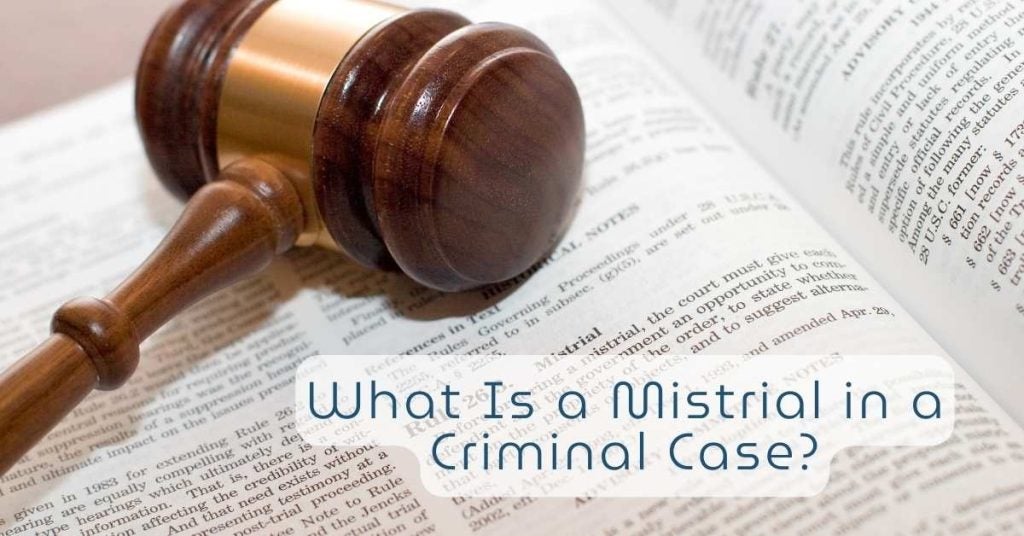
The American system of justice is quite complex, with a host of procedural protections for all players that enter into the judicial process. Perhaps one such component of this system that occasionally arises in the process of handling cases is termed as a mistrial. But just what does it mean when a trial is referred to as a mistrial within a criminal case? The following article will explain in detail what a mistrial is, for what reason it occurs, and what its effects are, as well as discuss how important a good lawyer is in a person’s life if such an occurrence takes place. What Is a Mistrial? Mistrial is a case that was either reconsidered or annulled for some reason without the passing of a decree. In other words, a mistrial means that no result was reached as a result of the trial. So it is evident that a mistrial is not a conclusion but rather, the start of the end so to speak. Any number of reasons or errors can result in a mistrial or the mistrial itself can arise because of different factors. In other words, a mistrial is a legal tool that allows the system to correct what is perceived to be an error in the fabric of the trial. It would be fair to say that if a mistrial has been declared, it does signify an effed up conclusion. However, there can be quite a bit of variation if we consider the implications of a court saying ’let’s do this over’ . All in all, a Mistrial is a turn around and where on almost every case a different verdict is expected. Common Reasons for a Mistrial There are many reasons mistrials might take place, however the most prevalent relate to jury deadlock, procedural mistakes or professional malfeasance. Let’s take a look at these in more detail: 1. Jury Deadlock (Hung Jury) Jury deadlock which is also called a hung jury, is one major reason for the mistrial. The American system requires the judgment to be done through a jury of peers that needs to come to a perverted conclusion for the majority of the crimes. This means that all members of the jury have to concur on the fact whether the defendant is guilty or not guilty. When juries deliberate for a longer period but are unable to reach a consensus on all the issues, the judge considers this cause as an opportunity to assert the mistrial rule’. It is because the jurors are unable to carry out their basic duty which is ascertaining whether the accused is innocent or guilty. In such a situation, it is the case in the prosecution which it has the choice of retrying with another jury, leaving the case, or seeking a settlement with the alleged accused. 2. Procedural Errors Mistrials most frequently occur due to some form of procedural error that leads to a certain unfairness in the trial process. For instance, there are rigorous rules in the preservation and presentation of evidence, the treatment of witnesses, and the conduct of trial. “ Understanding Knife Laws in New York is an example of legislation that could impact trial procedures depending on the charges involved”. These rules make equal opportunity for prosecution and defense to be heard and thus present a case. In serious procedural errors, like egregious mismanagement of evidence, inadequate instruction of the jury, or otherwise admitting other evidence, a judge may rule for a mistrial. These types of errors void the trial and prevent an honest determination of the fact. A defense could now motion for dismissal of all charges, or the prosecution may re-try the case with corrected procedures. 3. Professional Misconduct One more acknowledged ground for a mistrial is professional misconduct by the prosecution or the defense. Attorneys must observe the ethical rules and professional standards; thus, any intentional departure from such standards will have serious consequences against the trial. Examples of this are attempts to introduce excluded evidence, making statements designed to inflame the jury, or knowingly presenting perjured testimony. After a judge determines that one or both parties have engaged in misconduct that would impact the fairness of the trial itself, he has the authority to void the results of a trial and grant a new trial. Sometimes professional misconduct involves such severest of penalties on the lawyers concerned with their disbarment or some other disciplinary action. Both parties must abide by the code of conduct so as to ensure a just trial to all the parties involved. Implications of a Mistrial Consequences depend on why the mistrial occurred. Generally speaking, a mistrial either requires that a case be dismissed or re-tried. However, whether or not a case is retried depends on several factors including, among others, the grievousness of the charges, the strength of the evidence, and of course, the reasons behind the case for mistrial. 1. Retrial of the Case Generally, in the case of a mistrial, the prosecution has a right to retry the case. It means the entire trial process gets started all over again with a different jury, and both sides will get a fresh chance to prove themselves. A retrial of a case can be costly to the prosecution and defense since they usually have to present the same arguments and pieces of evidence all over again. The decision to retry the case, however, is not automatic. There is discretion for the prosecution as to whether it would serve the interests of justice in pursuing a retrial. If the evidence against the defendant were weak or the mistrial was because of major errors or misconduct, it may not be pursued. 2. Dismissing the Charges In certain cases, there is a full dismissal of charges by the judge. This is most likely to occur if the mistrial was occasioned through gross errors or misconduct that cannot be cured. In such a case, where the court dismisses a case “with prejudice,” this means the prosecution is barred from refiling the same case, and neither may the defendant be re-tried on those same charges. This many times is done to protect the rights of the defendant from being tried over and over again for the same crime. Conversely, when a case is dismissed “without prejudice,” the prosecution, under certain circumstances, may still be able to refile charges at a later date. The Importance of a Defense Attorney in Cases of Mistrial Imposing criminal charges can overwhelm any defendant, particularly when such a case was declared a mistrial and left to the discretion of the court as to its future actions. It is in such instances that one certainly requires the services of a defense attorney to press through the rigors of the legal system on behalf of the client. 1. Fair Procedures One of the most important things a defense attorney usually does is to make sure that due process is served, and procedures are followed correctly in the sequence of events leading up to and through a trial. Everything from how evidence is handled and how witnesses are interrogated down to the case presentation by the prosecution will be scrutinized by the defense attorney. The defense attorney makes sure all procedures are followed by minimizing the chances of a mistrial to take place due to some sort of procedural error. 2. Addressing Procedural Errors If these errors occur in the procedure, the defense attorney may take such further action as he sees fit. He might file a motion to dismiss charges or request the judge to declare a mistrial. A prompt and rapid move of the defense attorney towards such procedural errors acts to safeguard his client’s rights to a fair trial. 3. Responding to Professional Misconduct If the prosecution acts in a professionally improper manner, such behavior can be brought to the attention of the judge by a defense attorney, who can duly request appropriate remedies, such as a mistrial or dismissal of the charges. The experienced defense attorney will know when to look for mistakes and will be prepared to take whatever steps are necessary in order to protect the interests of their client. FAQs About Mistrials in Criminal Cases “FAQs About Mistrials in Criminal Cases. If you’re looking for more details on criminal law, check out our article on Common Criminal Law Questions In New York State.” Q: What Is a Mistrial in a Criminal Case? A mistrial is a declaration that a trial cannot continue because something in the proceedings has negated the likelihood of a fair conclusion. The end of a trial must conclude with a “guilty” or “not guilty” decision, and usually that will be hindered by procedural errors, jury deadlock, or professional misconduct. Q: Is a Mistrial the End of a Criminal Case? A mistrial concludes the current criminal case, but it may not necessarily acquit the defendant. With the identified procedural or clerical errors fixed, the prosecution can refile the case. In rare occasions, the judge can dismiss the case “with prejudice”, which could bar the case from a future retrial. Q: Can a Defendant Request a Mistrial? Although the defense attorney cannot formally motion for a mistrial, he or she may be able to make motions to dismiss charges based on his or her belief in procedural violations or violation of rights of his or her client. Ultimately, the judge must decide whether the circumstances indeed merit declaring the case a mistrial. Q: Can a Defendant Face Trial Again After a Mistrial? Yes, a defendant might face trial again after a mistrial. If the prosecution thinks it is in the interest of justice to pursue a conviction, then it will be refiling the case. On the other hand, when the judge declares a mistrial and dismisses the case “with prejudice,” then it cannot be retried. Q: Why is a defense attorney important in my case? An individual should be represented by an experienced legal counselor in case criminal charges are brought against him, inclusive of the risk of a mistrial. This being so, it is the mandate of the defense attorney to assist his client in navigating through the gall of the legal system and protect his rights as well as see proper proceedings are carried out before, during, and after the hearing of his case. Indeed good counsel does guarantee a difference in one’s trial. Conclusion Coming from either a hung jury or sometimes even procedural errors or even professional misconduct a mistrial is a sudden and complex result in a criminal case, sometimes with overwhelming effects on both the prosecution and the defense. To a defendant, a mistrial may well equate to uncertainty and continued legal obstacles. At the same time, nevertheless, a defendant, with the assistance of an efficient defense attorney, will be able to overcome such situations and work his or her way out for the best result of the case. It has been designed in a given way to ensure fairness and protection for all parties against the rights of others in terms of criminal justice. In every declaration of mistrial, you will need to have an attorney who understands how the system works and can well represent you in a court. If you are facing criminal charges or if you have questions about mistrials and your legal options in defending yourself, it is best to get in touch with a qualified defense attorney to ensure that your rights are protected and that you receive a fair trial.

What Happens If You Kill Someone in Self-Defense in New York?

What Happens If You Kill Someone in Self-Defense in New York?

In instances where self-defense calls for one to take another life, it is easy for the line to be blurred between self-defense and criminal liability. This article covers self-defense killing in New York consequences, from an explanation of the legal framework down to possible consequences for you in case this happens. Understanding Self-Defense Laws in New York In New York, the legal term for self-defense is “justification,” which is regulated under New York Penal Law. The law provides that a person may use reasonable force to prevent imminent physical harm either against themselves or another. Deadly force can only be used under very specific circumstances. Knowing exactly when self-defense is legally justified and under what conditions a person must meet requires knowledge to avoid criminal liability for the actions taken. New York does not have a stand your ground law like some other states. It is instead a duty to retreat state. That means if you can safely avoid the confrontation, you are obliged to do so before resorting to deadly force, except in your own home. This would be considered an exception under what is called the castle doctrine, which allows you to use deadly force to protect yourself against an intruder in your home without the obligation to retreat. Legal Justification for Killing in Self-Defense Self-defense killing is serious, and it must be justified legally when certain criteria are satisfied: Imminent Threat: The threat of deadly force or serious physical injury has to be imminent. It means that the danger must be real as well as unavoidable at the same time. Proportional Response: The force applied in self-defense should be proportional to the level of the threat. If the attacker is unarmed and poses no serious threat, using deadly force may not be justified. No Safe Retreat: Under New York’s duty to retreat rule, you must attempt to avoid the situation if it is safe to do so. If you are outside your home and can safely retreat from the threat, you are obligated to do so before resorting to deadly force. It is crucial to understand these conditions to determine whether a killing in self-defense would be legally justified. Failing to meet any of these requirements can lead to criminal charges, even if you genuinely believed you were defending yourself. When Is Deadly Force Considered Justifiable? Under New York law, deadly force is justifiable if you have a reasonable belief, under the circumstances which exist at such time, that deadly force is necessary to prevent: Imminent death or serious physical injury to either yourself or another individual A forcible felony – rape, kidnapping, or armed robbery. But the burden of proof generally falls upon the person involved in the self-defence case to prove that their actions were reasonable given the circumstances and necessary perforce. The details of the incident will be closely examined by law enforcement and the courts to see if the application of deadly force is a justifiable case. Potential Legal Consequences for Self-Defense Killing For related legal topics, see our related article titled Understanding Romeo and Juliet Laws in New York, as it relates and discusses in further detail other nuances of criminal law here in New York. Even with a feeling that your self-defense actions are justified, charges can always be brought against you for killing another human being. After any incident, the police will have to investigate what happened and decide whether charges are appropriate. Depending on the evidence existing and case circumstances, you might be arrested and face the need to prove your innocence in the court of law. Whether or not the prosecutor decides to press charges will depend on the witness statements, whether any weapons were used, and whether you had a reasonable opportunity to retreat. If it goes to trial, then it will depend on whether your actions meet the criteria for self-defense under New York law. You are also not exempt from the family of the deceased filing a civil case against you for the wrongful death of their loved one; that can also happen, even when criminal charges have not been pressed against you. In civil cases, the burden of proof is much lower, meaning that even if someone is acquitted in criminal court, they may also be held liable to pay monetary damages. Factors Courts Consider in Self-Defense Cases Following are some of the factors a court will consider in determining whether a killing was justified on grounds of self-defense: The Level of Threat: Did a real credible threat of death or serious injury exist? Proportionality: Whether the force applied was proper to the circumstances. Opportunity to Retreat: Could you have safely avoided the confrontation? Prior Relationship: Was there any prior relationship between you and the attacker that may have influenced the incident? Witness Testimonies: Would there be any witnesses to corroborate the events described? Each of these factors will help you decide whether your actions were legal or whether you could be found criminally responsible for the killing. How an Attorney Can Help If You Face Self-Defense Charges If your self-defense case entails other complications – such as prior legal disputes or criminal records – you will want to refer to our related articles on Common Criminal Law Questions In New York State in order to obtain a fuller sense of the invariable legal complications. In all these kinds of cases where self-defense has been used to kill, a good and experienced criminal defense attorney has to be summoned for assistance. A self-defense claim can be quite complex for an individual to get through by himself, the right lawyer can make all the difference in protecting your rights as well as in mounting the best possible defense. It is where an attorney can help in marshaling evidence, interviewing necessary witnesses, and putting the best possible light on your case. They would know New York self-defense laws and could advise you best on what to do to avoid charges or minimize them as much as possible. For more on criminal charges and how to navigate the legal system, see our guide on Common Criminal Law Questions In New York State. FAQs About New York Self-Defense Killing Q: Can I be charged with a crime if I kill someone in self-defense in New York? A: That depends. If the proof shows that you acted within the justification of New York’s self-defense laws, you may not be indighted. However, the police will always investigate any use of deadly force. And you may well be arrested pending review of events. Q: What should I do if I’ve used deadly force in self-defense? A: Contact a criminal defense attorney immediately. Do not make any statements to law enforcement without legal representation, as anything you say could be used against you. Q: How is New York different from every other state when it comes to self-defense? A: Unlike some states, New York is a duty to retreat state, meaning that you cannot use deadly force unless unable to safely retreat from the threatening situation, except when such occurs in a dwelling. Conclusion Self-defense killing can get very legalistically complicated. It requires immense knowledge regarding New York’s self-defense laws, more so about those instances where the law permits the use of deadly force. The awareness of such limitation and requirement is highly significant in establishing this defense of self-defense so one may not end up facing criminal liability thereof. A situation may arise whereby one shall find it immensely necessary to defend oneself. Any situation in which the law may interpret your actions to be disproportionately unreasonable would make having an experienced lawyer protect your rights go a long way in ensuring that you are safe. If you have been involved in a self-defense incident in which legal service is needed, then contact our criminal defense lawyers today for a free consultation.

Personal Injury Claims: What is the Average Settlement Amount?

Personal Injury Claims: What is the Average Settlement Amount?

One of the most frequent questions one may have if involved in an accident and seriously considering filing a personal injury claim is how much the average settlement amount of personal injury claims really is. Knowing what one might possibly get will go a long way in making informed decisions regarding the case and being able to have reasonable expectations for its outcome. This article will give insight into what average compensation might look and feel like, the determining factors, and how to maximize compensation. Average Settlement Amount for Personal Injury Claims Due to several influencing issues, the amount of settlement that may be received by a victim for personal injury claims could vary highly. While minor injuries usually settle between 3,000 and 15,000 dollars, severe ones might get settled in the range from 50,000 to 500,000 dollars or higher, based on the situation. Settlement value does indeed bear a lot of relation to the nature and extent of the injury. For example, soft tissue injuries such as whiplash generally lead to smaller settlements while truly catastrophic injuries requiring extensive treatment and consequent rehabilitation may see much larger settlements and payments. Insurance carriers will also taken into consideration and calculate the extent of medical treatment, lost wages, and other economic and non-economic damages to be compensated in coming to the final amount. If you want to learn more about personal injury law and common cases, then you can read our guide Common Labor Law Questions In New York State for more useful context. Factors Affecting the Amount of Personal Injury Settlement The value of settlement in a personal injury claim is valuable in a combination of the following factors: Nature of the Injury: The nature and severity of your injury are major determinants in settling the amount for your case. More grievous injuries, such as those that may require surgery or long-term rehabilitation, normally attract higher compensation. Medical Expenses: Medical expenses incurred, which are reasonable for the treatment of the injury it includes but it is not limited to emergency care, hospital stay, physical therapy, medication, and future medical needs. Lost Wages Damages: Depending on your case, you might be eligible for compensation due to not going to work as a result of your injury. You can also recover lost wages for future years if your injury impacts your working years. Pain and Suffering: This is the physical pain and emotional distress that one has because of the injury. The higher the pain and suffering, the greater the sum one will be compensated in terms of non-economic damages. Quality of life: When the injury impacts your life or your enjoyment in daily activities or life itself, then that too increases the settlement amount. How Are Personal Injury Settlements Calculated? The amount of settlement in cases of personal injury is usually based on economic and non-economic damages. Economic damages would include all the quantifiable costs that can be easily added up: things like medical expenses and lost wages. Non-economic damages account for such cases as pain and suffering, reduced quality of life. Most often, an insurance company will use a multiplier method to arrive at a dollar amount for pain and suffering, by multiplying the total of your economic damages by a number-between 1.5 and 5-depending on the severity of the injury. For example, if your medical expenses come to $10,000, using a multiplier of 3, the pain and suffering settlement amount is $30,000, added together for a total settlement of $40,000. Besides that, considered also is comparative negligence, and in the case of comparative negligence, comparative negligence is applied in arriving at the finalization of the settlement, which means if a case of partial fault on your part is established in causing the accident, your percentage of fault might reduce your settlement. Examples of Personal Injury Settlements Following are some examples related to settlement concerning personal injury and what one may expect: Minor Injury Case: In a slip and fall case there was an injury in the form of ankle sprain plus minor bruising. The victim received $5,000 to cover medical costs and minor pain and suffering. Moderate Injury Case: The X suffered a broken arm in a car accident, for which the victim was out of work for three months, required surgery and physical therapy. A settlement in the sum of $ 85,000 was received, which includes medical expenses, lost wages, and pain and suffering. Severe Injury Case: The victim who was treated for multiple fractures and traumatic brain injury following the motorcycle accident will never be able to work. The medical bills, future lost wages, and diminished quality of life necessitated a settlement to the client for $500,000. These examples are provided just for the purpose of giving an idea of what the settlement amount may range between. Each case has its own specific scenario and its amount. Figuring how best to maximize your personal injury settlement. Below are some helpful tips in maximizing your personal injury settlement. Seek Medical Help Immediately: It is fitting that after an accident, you always seek immediate medical treatment. This is not only important to your health but also provides you with the right kind of documentation of your claim. Document Everything: You will be required to document your injuries and treatment, along with all expenses related, precisely. This will be done through photo documentation of each injury, medical bills, and proof of lost wages. Avoid Quick Settlements: Most insurance companies try to quickly settle for low amounts. For this reason, one should not take the first offer but could get the advice of an attorney in order to increase one’s entitlement. Employ the services of a personal injury attorney: A good attorney will assist in negotiating with insurance companies to get the best possible settlement. He will build a case for you in such a case because he works for you and helps you to gather evidence and represents you in the case. If you’ve suffered a personal injury and want more on what to do, see our resource on Where Can I Find Free Legal Advice Following a Car Accident?

Can You Press Charges Against Someone for Making False Accusations?

Can You Press Charges Against Someone for Making False Accusations?

This is the power of a false accusation: it can destroy one’s personal and professional life. An accused person may face powerful challenges in most spheres of their life, including reputation damage, living a life bogged down with emotional distress, and legal complications. While one wishes to seek justice from time to time, what are you to do when there is a false accusation against you? The article in concrete form weighs up possibilities of suing on false accusations and describes legal ways of protection of rights. Understanding False Accusations A false accusation is defined as an intentional claim made by one person against another, with the intent to wrongfully charge the latter with misconduct. It could be maliciously brought into disputes or sometimes by accident. Whatever the intent may be, the outcome resulting from a false accusation can range from criminal measures against the accused to a damaged reputation and finally to colossal emotional trauma of the accused. It should again be stressed that false accusation can be committed through various forms, such as defamation, malicious prosecution, to false imprisonment; each usually carries a separate legal boundary and thus bears different consequences regarding the nature of remedies that the falsely accused has at his or her disposal. Can You Press Criminal Charges for False Accusations? The term “pressing charges” is poorly understood. To add to that, in regard to the criminal charge, only a law enforcement and prosecutor has the right to table a criminal charge against anyone here in the United States. You cannot, as a private citizen, press charges against another person charging you with lying. Rather, you can always report any such claims to the police, and provided you have all the evidence, then the police may take action: they will review your case and may file criminal charges against them. “For more information about criminal laws and your rights, you may refer to our guide on Common Criminal Law Questions In New York State.” In some, rare circumstances, the complainant would be indictable for perjury if they filed their complaint under oath, or for filing a false police report if they knowingly filed a report where they knew information was not valid. Naturally, all prosecutorial decisions are made at the discretion of law enforcement and the prosecution, meaning you would not be the one personally filing those charges. Civil Remedies for False Accusations Although you cannot directly file criminal charges, one can certainly file civil action against a person for false accusations. Civil remedies compensate for the damages caused by the wrongful accusation. A few of the various legal actions possible follow: 1. Defamation Lawsuits One very common route of action leveled when one feels he or she has been accused of something untrue is to sue for defamation. Defamation occurs by the communication of a false statement that harms another person’s good reputation. There are two kinds of defamation: Libel: A statement that is written or otherwise published in the media, and would include, for example, social network sites, newspapers, and online articles. Slander: false speaking used to accuse a person, as if he has committed some wrong, casual or public, by which his reputation is damaged. To bring a case of defamation, you must be able to prove all of the following: False Statement: There was a statement made that is factually untrue. A statement to a third party: means that the false statement has been communicated to someone other than yourself. Harm to Reputation: The statement harmed your good reputation by bringing it down in personal or professional aspects. Intent or Negligence: The person making the statement was either negligent or malicious in passing on the information when he knew it was not true. 2. Malicious Prosecution Malicious prosecution is a civil remedy of those acts when someone with malafide intention, with knowledge that it is not a genuine case, initiates a case against you and consequently causes damage to your reputation or otherwise. The following elements must be established in malicious prosecution: Filing of a Lawsuit: The defendant has brought or continued an action against you. Lack of Probable Cause: The legal action was filed without good cause or justification. Malicious Intent: It was a prosecution maliciously carried on to hurt you. Favorable Termination: The proceeding was finally discharged in your favour and proved that the accusation against you had no grounds. Damages: You subsequently suffered damage, either to your reputation, emotionally, or financially. Note that malicious prosecution is not an easy claim to establish because, in proving the existence of malicious intent on the part of the accuser, clear and convincing evidence is required. However, if you successfully present your claim, then recovery on account of certain losses due to emotional distress, financial loss, and associated damage you suffered because of such a false accusation might be recovered. 3. False Imprisonment You may have a claim for false imprisonment if unlawful detention without a legal warrant or order was the result of a malicious false accusation. When a claim for false imprisonment arises, confinement lawfully restrains a person’s movements. To establish a case for false imprisonment, the following ingredients must be met satisfactorily: Intentional Confinement: The accused intentionally restricted your freedom of movement. Non-Consent: this is a case wherein you did not agree to such confinement Lack of Legal Justification: The detention occurred without a legal basis or authority. Claims for false imprisonment are made where one is falsely accused of some crime by a person, and this leads to the wrongful arrest or detention of him or her by some kind of law enforcement. What to Do If You Are Falsely Accused It’s essential to understand your civil rights and know how to protect them during legal proceedings. For further details, check out our article on Civil Rights In New York State. Whatever the case or the situation may be when one is facing false accusations, it is always indispensable to take steps for the protection of one’s rights and in seeking justice. Here are some things you may want to consider: Consult an Attorney One of the most important things you can do is consult a seasoned attorney. A good attorney will clarify your rights to you, discuss all possible legal avenues, and point out which might be advisable if you decide to file a civil action in defamation, malicious prosecution, or false imprisonment. Whichever avenue you choose, there you find the expertise and guidance of the attorney indispensable in helping you make a sound case. Collection of Evidence Evidence is imperative in defense against false accusations.Any documentation that may be related to emails, messages, postings, or social media, and any witness statements, can serve as evidence in an attempt to controvert with evidence the accusations against you. Aside from solidifying your case in the civil lawsuit, evidence is indicative that the damage brought by the false accusation includes being defamatory in nature and causing severe emotional and mental harm. Do Not Seek Revenge Of course, a person has every right to this anger or irritation when accused of something he or she has never done. However, it is never good to act back against the accuser. A surge of emotions or counter-accusation could weaken one’s legal standing and be used even against him in court.The best line of approach would be to put all efforts into creating and presenting your case, let the due process of law take effect. Protect Your Reputation The false accusations can really bring you into disrepute. If the accusation was made in public, then that is a good avenue on which you would seek professional advice on how you manage your public image. Additionally, it is best to avoid any further public statements before the case is over, as some of these may result in unintended consequences against you. Damages in a Defamation Lawsuit: Evidence The first thing that one should know when pursuing a case of defamation is the type of damages one may claim. These damages are, in essence, given as compensation for the harm false accusations have caused: Special Damages: The actual losses one could measure in terms of money that were a result of the defamation. Special damages are classified also when a person does not get a job or an economic opportunity because of another person’s false accusations. General Damages: These are non-economic in nature and include any harm to your reputation, emotional distress, or pain and suffering. These are more intangible but significant results of defamation. Punitive Damages: These are awarded when there is something much more heinous at the hand of the defendant. The idea behind punitive damages is that the wrongdoer must be punished and others must be deterred from these actions. Criminal Charges for Perjury and False Reporting Sometimes the accuser may be charged with crimes such as perjury or false reporting. Perjury was defined earlier in the book as when a person knowingly gives false testimony under oath. False reporting is a crime for actually making the report knowing the information is false to a law enforcement officer. These are charges dealt with by the law enforcement and the prosecutors, and thus you cannot make those charges yourself. You can, however, report your case to the police, and if you have enough evidence to present, they may possibly act based on criminal charges against the accuser. The Importance of Legal Counsel This may be through a civil action lawsuit against defamation, malicious prosecution, or false imprisonment; you deserve the expertise and skills of a lawyer. The skilled lawyer will outline for you your rights, get the evidence needed to present your case, and present that evidence in court as an attempt to seek justice from an injury caused by false accusations. The whole process, from having to deal with the court system to having your voice heard, can be quite overwhelming at times. Should one be falsely accused of something, he or she would need an attorney by his side. Never try to fight a battle alone, as it is highly recommended that an active professional is on your side, with complete assurance to present you in court for fighting for one’s right. Conclusion Civil remedies include libel suits, complaint against malicious prosecution, or civil action for false imprisonment, wherein the plaintiff can receive damages as its restorative value over one’s reputation, among others. This is, in general, the process to defend oneself against a false accusation: protection of rights, preservation of evidence, and seeking an attorney. The lawyer will, therefore, be in a position to take you through every step as you begin the building of your case, piece together the relevant evidence, and present it to the court as you regain your good name and receive your justice. If you are a victim of a false accusation, do not wait another day to contact an attorney abou tyour legal options and take the first step towards defending your rights and finding justice.

Can You Go to Jail for Verbal Abuse?

Can You Go to Jail for Verbal Abuse?

Verbal abuse can involve screaming insults or even making threats. Many people especially wonder whether or not this kind of behavior could amount to serving time in jail. This article will explore whether you go to jail for verbal abuse, when it gets to be a criminal offense, and what possible legal consequences there are for such an action. Verbal Abuse and the Law: Understanding It Verbal abuse involves using words to hurt, intimidate, or threaten another individual. This can take several forms in threatening language, name-calling, intimidation, and harassment. The possible consequences for verbal abuse will principally depend upon where the situation arises, which could either be domestic, employment, or public. Basically, even though verbal abuse might just be a civil offense in nature, at times, it may turn into a crime. In many jurisdictions, verbal abuses that involve a credible threat of safety or well-being to any person may be treated as criminal. It follows, therefore, that in states where verbal threats have put a person in fear of immediate harm, it could mean indictment on criminal charges, which might further lead to imprisonment. Understanding Criminal Law in New York State provides further context within which the laws deal with such issues. When Does Verbal Abuse Become a Crime? Verbal abuse crosses into criminal territory when it involves a threat of violence, intimidation, or some other course of conduct that puts another person in reasonable fear of their safety. The following are some possible situations arising from verbal abuse for which criminal charges may be sought: Threatening to physically harm someone or their loved ones. Verbal abuse as part of a domestic violence incident. Persistent harassment that causes extreme emotional or physical distress. Such actions usually fall under criminal harassment, menacing, or even assault, provided the threat is of a nature to put the victim in fear of their life. Sometimes, hate speech or speech used to incite violence could lead to criminal charges. Legal Consequences of Verbal Abuse The consequences for verbal abuse are quite varied, depending on the severity of the incident, whether the abuse was criminal, and depending on local laws, common ones include: Fines and community service for the minor offenses. Restraining orders-one of which involves the inability to further contact the victim. Jail time, especially if the abuse consisted of threats of violence or was part of a larger pattern of abuse. In cases of domestic abuse, verbal abuse that is combined with physical threats can result in more serious legal consequences, such as arrest and criminal charges. Victims in such situations can also seek protective orders to ensure their safety. If you have any kind of legal issue related to domestic incidents, try to familiarize yourself with relevant topics like Can You Sue the Police Department for Violating Your Rights? so that your rights, whenever a case of dealing with the police arises, could be better comprehended. Types of Verbal Abuse That Can Get You Jailed Not all forms of verbal abuse will lead to imprisonment, but abusive behavior can sometimes lead to criminal charges and jail time: Threat of Bodily Injury: If the verbal abuse consists of a threat of causing bodily injury to a person and the threat is credible, criminal charges may be brought against the person threatening with jail time as possible consequences. Hate Speech: Any verbal abuses with hate speech or languages intended to incite violence on a particular group will get serious criminal charges. Domestic Threats: In domestic settings, verbal abuse with threats of violence can fall under domestic violence, which may carry heavier sentences. Factors that Determine Whether You Could Go to Jail for Verbal Abuse Whether you face jail time from verbal abuse depends on: Nature of Threats: Direct threats of violence may draw criminal charges, whereas using some names or insults does not. Victim’s perception: The law looks at whether the victim perceived their immediate safety to be in danger. Prior Incidents: If the individual has a history of abusive behavior or prior criminal records, they are more likely to face jail time. c. Extent of Emotional and Physical Consequences: The intensity of the impact on either the mental or physical condition of the victim determines the risk of legal consequences. When One Should Consult an Attorney Regarding Claims of Verbal Abuse Being faced with allegations of verbal abuse that may result in your prosecution calls for an in-depth need to have representation by an experienced criminal defense attorney. Laws on verbal abuse vary greatly among different states, and expert advice within their jurisprudence should be the one guiding you to protect your legal rights. An attorney will be able to walk you through the legal process, explain what charges you are facing, and prepare an effective defense. If the verbal abuse occurred in a domestic setting, there might be additional legal complexities, and a lawyer can assist with understanding protective orders and criminal charges. Frequently Asked Questions About Verbal Abuse and Legal Consequences Q: Is verbal abuse sufficient to bring someone behind the bars? A: Verbal abuse may lead to jail time if, through credible threats of violence or harassment, a person is put in fear of his or her safety. In such cases, criminal charges such as harassment or menacing may apply. Q: Can someone place a restraining order based on verbal abuse? A: Yes, once the verbal abuse can present a credible threat to and/or serious emotional disturbance from a victim, issuing the restraining order is carried on for protection from future contact. Q: Is verbal abuse considered domestic violence? A: Generally, verbal abuse is considered a form of domestic violence if it occurs within a domestic relationship and consists of threats or controlling behavior meant to intimidate the victim. Conclusion Verbal abuse can amount to serious legal consequences, including possible jail time, especially when threats, harassment, or intimidation place a person in reasonable fear for their safety. While not all forms of verbal abuse are criminal, some actions can actually make it past the line and lead to criminal charges. If you or someone you know is being accused of verbal abuse, then you need to seek legal help to understand your rights and avoid further legal complications. If you or someone you know has been accused of verbal abuse or in need of any kind of criminal defense, please contact our experienced criminal defense lawyers today for your free consultation. We can show you the intricacies of laws dealing with verbal abuse and protect your legal rights.

Are ResMed CPAP Machines Being Recalled?

Are ResMed CPAP Machines Being Recalled?

CPAP machines have been a necessary treatment for many people who are afflicted with sleep apnea. Recently, some questions have popped up about the safety of certain CPAP devices. Such as: Are ResMed CPAP machines being recalled? We shall delve deep into the details with regard to this recall: the models affected, the reasons behind it, and what one should do in case of owning any in the course of this article. Overview of ResMed CPAP Machine Recalls ResMed is among the top manufacturers in CPAP devices, designed to help patients with sleep apnea manage the disorder. However, in these recent times, with recalls of CPAP devices by other manufacturers, several users have gone on wondering whether their ResMed CPAP machine is safe for use. Matters were further compounded as issues of magnetic interference, among other safety risks, were thrown into the fray by various authorities such as the FDA. There has not been a full-scale CPAP device recall by ResMed to date. However, there have been notices given for different models of ResMed CPAP masks that contain magnets. These magnets could interfere with other implanted medical devices, with a potential life-threatening outcome. It is recommended that users of this product be well educationally indoctrinated regarding the ResMed CPAP recall issue and identify their device to see if it is one of the models involved. Details of the Recall: Affected Models and Reasons This recall includes only some ResMed CPAP mask models with magnetic attachments to hold parts of the device. A series of FDA safety notices identified that these magnets may interfere with implanted medical devices, which include but are not limited to pacemakers, neurostimulators, and defibrillators. This could have serious consequences-first, alteration in the functioning of such devices-which might pose a significant health risk for users. This recall notice might raise an alarm among those patients dependent on the CPAP devices, but this is an important precaution to make sure safety is availed. Some of the following issues and models may be involved in the foregoing: Magnetic Interference: Some CPAP masks contain magnets that can interfere with other electronic medical devices within a very close range. Affected Models: It involves different specific kinds of masks from ResMed, which are used in combination with their CPAP machines. Users should identify their masks by the affected categories listed. 2024 ResMed CPAP recall notice emphasize that “immediate cessation of use by persons with implanted medical devices should be done while seeking advice from healthcare providers.” ResMed has provided more avenues through which customers can reach out for consultation on whether or not they use an affected model.Security Concerns and User Guidance Security Concerns and User Guidance The most major problems that concern security deal with magnetic interference that may cause serious complications, especially in cases when magnets in CPAP masks interact with medical implants. For example, in the case of malfunction of the pacemaker via magnet, then that would suggest a high level of health hazard. As a precautionary safety measure to avoid health complications arising from magnetic interference, ResMed issued a safety notice barring the use of all these kinds of recalled CPAP masks on patients with implanted medical devices. To this effect, it is advisable that any Skeptical user of the safety of their CPAP devices approaches ResMed or even further consults their health provider. This notice of recall can be a cause for alarm to the patients dependent on these CPAP devices, but this is an important precaution to ensure that safety is availed. Users are advised to follow the steps below to determine if their device is affected. For more general questions about personal injury claims, you may find our guide on Common personal injury questions in New York State helpful. Steps to Take if Your Device is Affected Important first steps, in case the recall is recommended for your ResMed CPAP machine or mask, involve the protection of health, following the line of safety: Check Your Device Model: Please use the official ResMed recall notice or contact ResMed Customer Service to identify whether your model is included in the recall. The Recall notice will typically give exact model numbers and mask types that are part of the recall. Healthcare Provider: Contact your doctor without any delay if you find your device to be one of the affected ones. They will help you assess the risks and whether to stop using the device or switch to its alternative. Replace or Repair the Device: ResMed could give alternatives to repair or replace those devices affected within the recall. It is prudent, in so doing, to follow manufacturer instructions and utilize such features when available. Report Any Adverse Effects: If you have experienced any noted health problems that you believe to be associated with your use of the CPAP device report these incidents to the FDA via its MedWatch program. It is through such reports that the regulatory agencies could keep a tab on medical device safety and take necessary action. Legal Consequences and Users’ Rights Those affected by the recall to their ResMed CPAP should be informed of the rights entitled to them. A number of medical device recalls are associated with high health consequences, and users can pursue compensation for all types of injury or loss caused by defective products. You’ll therefore want to consult with a products liability lawyer who can investigate the merits of your case to determine whether you may have a potential claim. Depending on your circumstances, if your home or other property was also damaged due to a defective medical device, you may also want to explore your options by reading our article on Do I Need Home Property Damage Lawyers?. Recall 2024 of ResMed CPAP indicated the devices must be ready to assure the safety of health. You may be entitled to file a lawsuit against the CPAP machine manufacturers due to your health problems and negotiate for compensation in terms of medical expenses, pain and suffering, and other damages. This will involve collecting crucial documents like medical records, receipts, and an exchange of letters with the manufacturing company. Frequently Asked Questions: ResMed CPAP Recalls Q: Which CPAP models were part of the ResMed recall? A: Most of the recall are magnetic ResMed CPAP masks, due to their potential interference with implanted medical devices in the body. For specific model information, one can refer to an official notice for this recall or contact ResMed’s customer service. Q: What if my ResMed CPAP machine or mask is recalled? A: In the event of a recall, you must immediately cease using your ResMed device and consult with a health professional. You might also get in touch with ResMed for repair or replacement. Q: Do recalled devices create health hazards? A: The most serious risk of recalled ResMed CPAP masks is magnetic interference with medical devices that may be implanted, a condition that can lead to serious complications not so treated. Our staff at this regard will guide you through the recall process and help protect your health. Conclusion It is important to note that the recall of ResMed CPAP devices serves as an excellent reminder of how crucial safety is when it comes to medical devices. While this may not apply to every machine designed by ResMed, there have been some CPAP masks, in fact, designed with magnets that pose potential health risks. If you do have a device owned by ResMed, you would have to confirm your model for such an action, and take any necessary actions to keep you safe. Such defective products’ danger can be reduced manifold if the situation at hand is well-understood and acted upon in time. If you feel that somehow you are related to ResMed CPAP recall 2024, this would be highly advisable to consult a legal expert concerning your rights and options. Injured by a defective product? Call our attorneys now for a consultation. Our team is here to support you through complicated medical device recalls and help safeguard your rights.

Contact Us

Fill out this form below and we'll contact you shortly
*Required Fields